WHAT IS THE XFORUM?
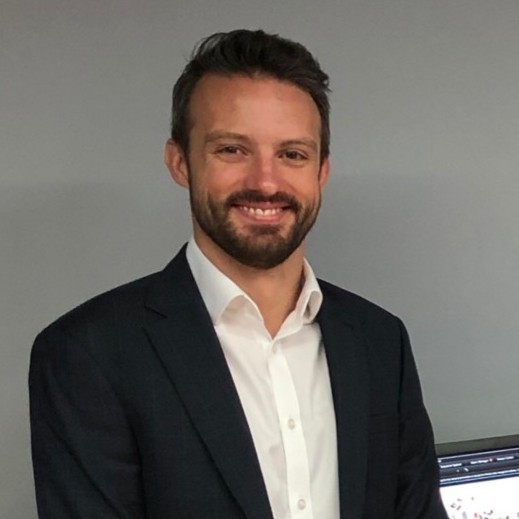
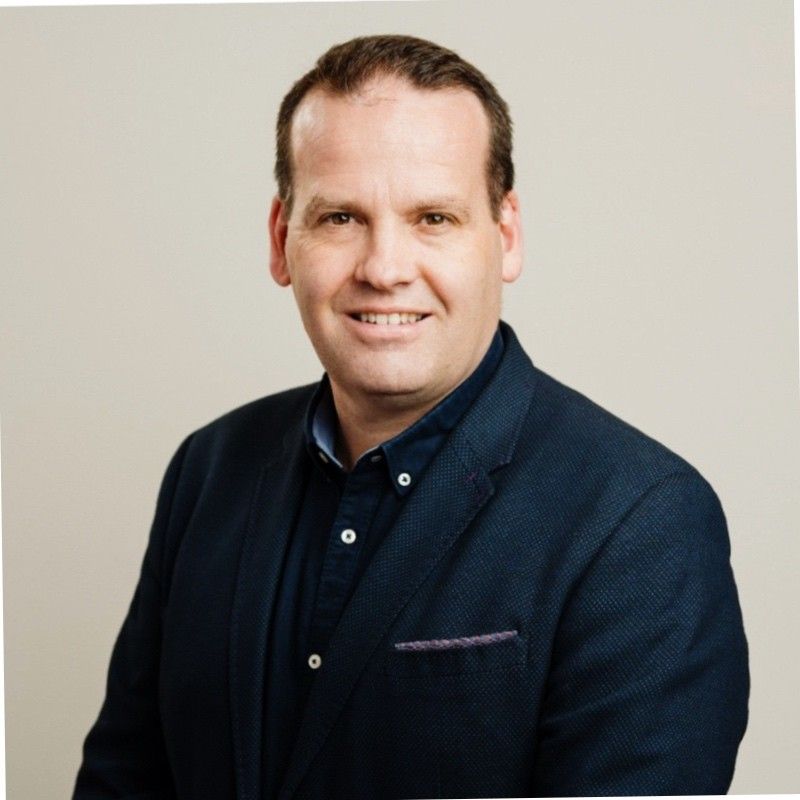
Teaming up with Lee Odess, the XForum, in association with Access Control Executive Brief, is set to make a comeback at The Security Event. This central hub for access control underscores its crucial role in ensuring security by safeguarding assets, information, and individuals. Security professionals must grasp the importance of access control and its implementation to bolster the physical security of their organisations.
Join Lee Odess and access control thought-leaders as they unpick and examine the role of access technology.
This panel explores how access control is evolving from a door-centric system into an identity-driven layer that supports safety, efficiency, and better user experiences. Panelists will discuss how aligning security, IT, and facilities creates more resilient and adaptable workplaces across the UK.
• The phrase "access control" still conjures a door and a card reader for most people outside (and frankly inside too) this industry. But the systems you are building today are identity infrastructure. At what point does the language we use to describe ourselves start holding us back?
• Security, IT, and facilities have historically operated in separate lanes with separate budgets and separate agendas. Where does that actually break down in practice, and who in the organisation is best positioned to force the alignment?
• If a UK workplace CISO and a Head of Facilities are both in the room, what is the one thing you would want them to leave agreeing on?
A forward-looking discussion on how integrators are expanding their role as access control becomes more software-centric. The panel will highlight new service models, skills development, and opportunities for integrators to deepen customer relationships and drive long-term value.
• The integrator's value proposition for the last 30 years was installation expertise and trusted relationships. Software changes both of those. What is the new value proposition and who is articulating it clearly?
• Managed services and recurring revenue sound great in theory. What are the real barriers stopping more UK integrators from making that transition in practice?
• In five years, what does the integrator that is thriving look like versus the one that is struggling? What is the single decision point that separates them?
This panel explores what drives successful mobile credential adoption in the UK. Rather than focusing on technology alone, the discussion centers on user experience, organisational readiness, and how mobile access can simplify operations while improving day-to-day interactions with buildings.
• Mobile credential adoption rates in the UK are still lower than the technology warrants. What is the real friction and how much of it is technical versus organisational versus cultural?
• The user experience of a mobile credential touches the employee's personal device, their daily routine, and their relationship with the building. Most access control companies are not historically UX companies. How do you close that gap?
• Who in the organisation needs to champion mobile access for a rollout to succeed, and how often is that person actually in the room when the buying decision gets made?
A UK-focused discussion on how public sector organisations are modernising access control within real-world constraints. Panelists will share lessons learned from education, healthcare, and local government deployments, highlighting how innovation and resilience can coexist.
• Public sector procurement in the UK is its own discipline. Framework agreements, budget cycles, risk aversion baked into the process. What is the single biggest structural change that would allow better security outcomes in that environment?
• Healthcare, education, and local government all have different threat profiles, different user populations, and different political constraints. Where do you see genuine innovation happening right now despite those constraints?
• The public sector holds some of the most sensitive access environments in the country. What is keeping those institutions from modernising at the pace the risk environment demands?
This panel explores how access control is evolving from a door-centric system into an identity-driven layer that supports safety, efficiency, and better user experiences. Panelists will discuss how aligning security, IT, and facilities creates more resilient and adaptable workplaces across the UK.
• The phrase "access control" still conjures a door and a card reader for most people outside (and frankly inside too) this industry. But the systems you are building today are identity infrastructure. At what point does the language we use to describe ourselves start holding us back?
• Security, IT, and facilities have historically operated in separate lanes with separate budgets and separate agendas. Where does that actually break down in practice, and who in the organisation is best positioned to force the alignment?
• If a UK workplace CISO and a Head of Facilities are both in the room, what is the one thing you would want them to leave agreeing on?
This session examines how open standards, APIs, and interoperability improve outcomes for end users and integrators alike. Panelists will share real-world examples of systems working well together and discuss how openness can reduce risk, improve flexibility, and future-proof investments.
• Everyone says they support open standards until it costs them something. Where does the commitment to openness actually get tested in a real deployment?
• An end user sitting in this audience right now is evaluating vendors. What should they specifically ask for in a tender or procurement process to separate genuine interoperability from marketing language?
• Aliro is moving. OSDP is established. We have standards bodies doing real work. What is still missing before interoperability becomes the default expectation rather than the exception?
A grounded look at how AI is being applied in access control today to support better, faster decision-making. This panel separates practical use cases from hype and focuses on how AI can augment human judgment while maintaining accountability and trust.
• There is a lot of noise right now about AI in security. Strip away the marketing. What is AI actually doing in deployed access control systems today that is producing measurable outcomes?
• The accountability question matters here, especially in the UK where ICO scrutiny is real. When an AI-assisted system flags something or takes an action, who owns that decision?
• Where do you draw the line? There are applications of AI in physical security that should make us uncomfortable. How do you think about that boundary inside your own product decisions?
This session looks at how sustainability is influencing access control design, deployment, and lifecycle management. The panel will explore how environmental responsibility, system longevity, and operational efficiency can align without compromising security outcomes.
• Sustainability in physical security is still largely a procurement box-ticking exercise. What would it look like if it was actually baked into product design and deployment decisions from day one?
• There is a real tension between the security industry's default posture — redundancy and resilience at all costs — and sustainability goals that push toward efficiency and reduction. How do you navigate that?
• Lifecycle management is where the sustainability conversation gets practical. What is the honest conversation the industry needs to have about how long these systems should last and what happens when they do not?
What you can expect
Join the XForum to hear industry experts discuss key updates in access control, such as the growing shift to mobile access, multi-factor authentication, biometrics, facial recognition, and integration with security technologies like video surveillance and intrusion detection, and more.
Get hands-on with the latest access control products and gain invaluable insights into their practical benefits and functionalities. Stay at the forefront of industry advancements by engaging and testing these solutions, ensuring that your access control strategies align with the latest developments in security technology.